
Don’t think Social Anxiety is Abnormal

Social Anxiety Disorder is a subclass of an all-encompassing mental disorder called Anxiety Disorder. People most often confuse it with having normal stage fright or becoming nervous in social situations. While social anxiety constitutes all that, it is much more than what it seems to be. Having some anxiety and nervousness while meeting new people or speaking in front of a large audience is normal. That’s how our brain adapts to a similar situation in the future. But for someone with a social anxiety disorder, that anxiety becomes debilitating and doesn’t allow the patient to utter even a single word. There is nothing normal about social anxiety disorder because, unlike average nervousness, it is a disease that hinders the normal social functioning of the person affected. Think of it as coughing. Coughing is quite normal, and anybody can have it. But if you keep coughing so much so that you can’t even swallow food, then it’s a problem.
<p class="has-large-font-size" value="<amp-fit-text layout="fixed-height" min-font-size="6" max-font-size="72" height="80"><strong>Be Supportive</strong>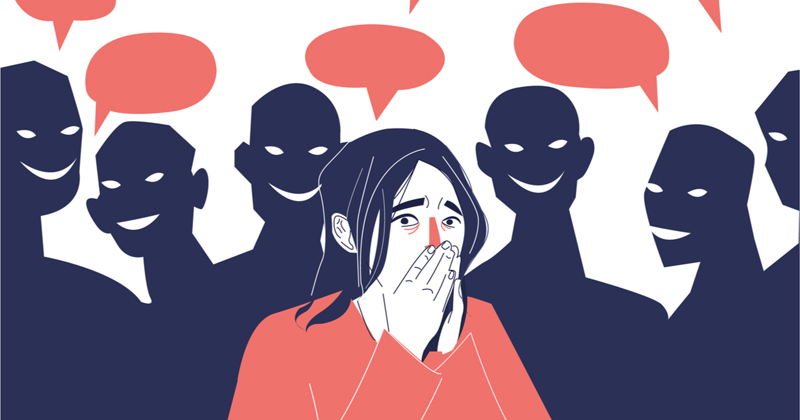
Encourage, Don’t Force

While trying to help someone with social anxiety, the people close to them make the mistake of forcing the affected person to face what they fear. While it has a small chance of helping them, it also has a rather high probability of leaving them traumatized for the rest of their lives, making social interactions even more scary and troublesome for them. To help a person with social anxiety, don’t try to force them into social interactions they might be uncomfortable in. Instead, encourage them to take baby steps. Gradually introduce them to public-facing roles instead of pushing them and hoping they adapt quickly. Try not to remove the band-aid quickly when it comes to social anxiety because, in this scenario, you might end up taking some of the skin with the band-aid as well. Be supportive and empathizing, not an autocratic dictator looking to make their life worse than it already is.
Pair Positive & Negative Feedback

This is actually universally applicable, but especially relevant for people with social anxiety. They are already in enough pain and distress, without us trying to bring them down. A lateral approach where we critique them on their shortcomings while also pointing out and highlighting their strong points not only translates to progress but also strengthens the already good skills. So the next time you are giving feedback to one such junior in office or even in your friend circle, don’t forget to be empathetic, keeping yourselves in their shoes. Try remembering that coming to the office every day is also an achievement for them. Most of all, don’t forget to be kind and understanding. It never hurts.
Don’t Assume They Need Help
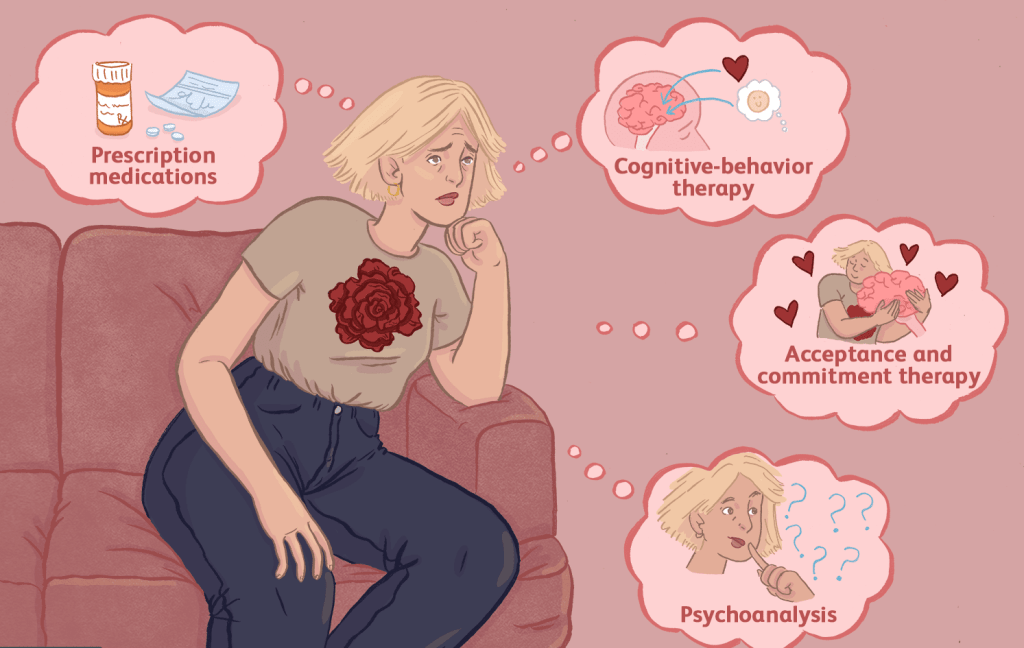
Just because someone has Social Anxiety Disorder doesn’t mean they need your help or anybody else’s in fact. Unlike physical disabilities, mental health disabilities are not immediately visible to someone meeting the patient. This added to the fact that they don’t want the other person to look at them in a different light or with pity. People with Social Anxiety and any other mental health problem, for that matter, try to portray that they are normal atleast according to society’s definitions, which also helps them to believe that they are indeed normal. So they wear a mask of normalcy every time they are in public. So don’t assume that they require help. Let them come to you with their problems, if at all. It might be possible that they are taking help from somebody else, including professional help.
Don’t try to Force Your World View on Them
Helping means putting yourself in the concerned person’s shoes and walking down a mile. It doesn’t mean trying to categorize his/her problem and then forcing your view of what the solution should be on them. Remember, he is the one undergoing a debilitating disease, not you. So even if you think that it’s quite natural to go in front of an audience and speak your heart out, try to understand that just because it’s easy for you doesn’t mean it is easy for everyone. Instead of advising without understanding the core problem, try to be empathetic and offer your unconditional help to the person. Be someone he/she can confide his trials and tribulations in. This is not only essential for becoming a good friend but also a good human being.
Ours is a small Business from India trying to survive in the COVID-19 situation & delivering meaningful content to our readers. A small contribution can mean a lot to us.
Make a monthly donation
Choose an amount
Or enter a custom amount
Your contribution is appreciated.
Your contribution is appreciated.
DonateDonate monthlyRate this Article Here:
Check Out Similar Articles

Heretic Film Review: Hugh Grant’s Gripping Performance
Heretic is a film that dares to tread the fine line between faith and skepticism, weaving a narrative that unravels like a tightly coiled spring, filled with tension and philosophical inquiry.


Best Movies of 2023 – The Holdovers
What this soup of human emotions brings out is a brilliant plot covering the most existential question of them all – “How to live in a world that doesn’t care a bit about lonely people?”

What is Vedic Jyotish: the Indian Style of Astrology?
The origin of Jyotish Vidya or the Indian style of astrology is not new. Infact it is quite old and is said to have been derived from the Vedas which are circa 1000-1500 BCE. Though the Jyotish Vidya is considered to stand independent of the wide arrayed knowledge system of Sanatan Dharma, it is at…
 Suburban Wordsmith
Leave a comment